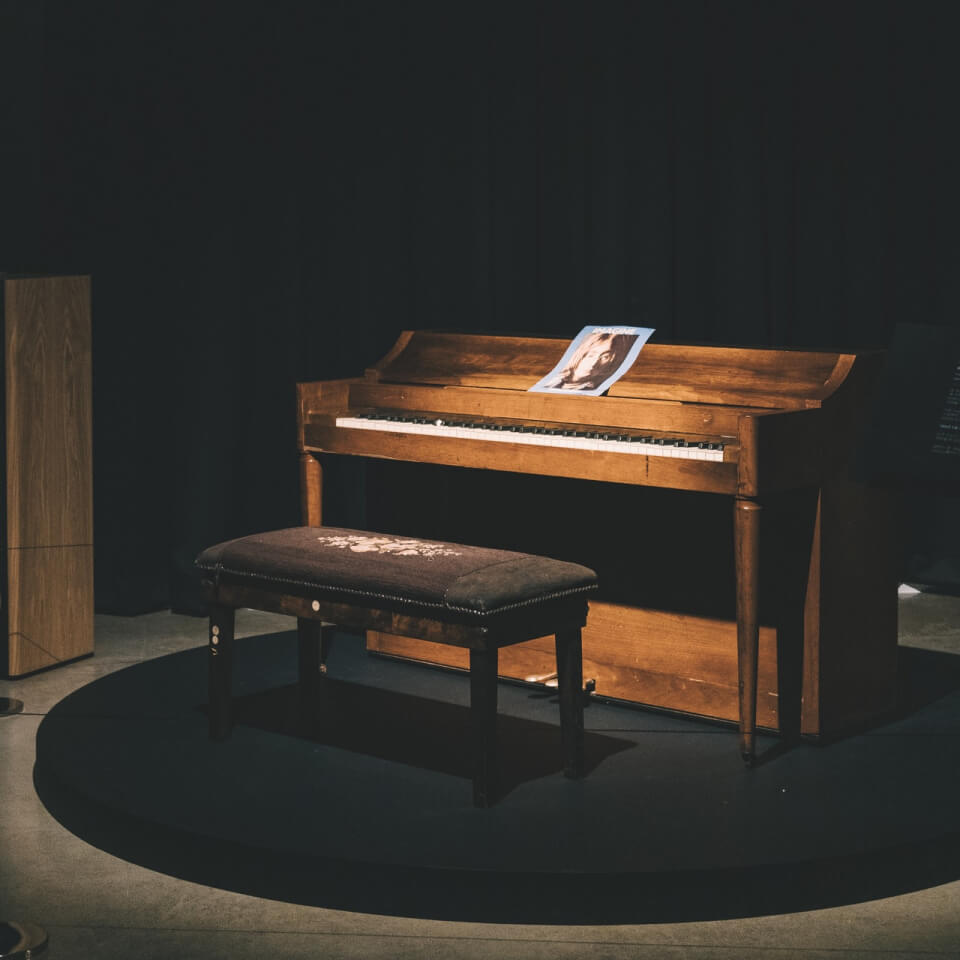
~What is a Piano~
A piano is a large keyboard instrument that produces sound when felt-covered hammers strike steel strings inside the instrument. It’s one of the most versatile and widely used instruments in classical, jazz, and popular music.
🎹 Key Features of the Piano
- Keyboard Layout: Modern pianos have 88 keys (52 white, 36 black), tuned to a chromatic scale in equal temperament.
- Sound Production: Pressing a key triggers a hammer to strike strings; the vibration travels through a bridge to a soundboard, which amplifies the sound.
- Pedals: Most pianos have three pedals:
- Sustain pedal (right): lifts dampers, allowing notes to ring longer.
- Soft pedal (left): shifts hammers for a gentler tone.
- Sostenuto pedal (middle): sustains selected notes while others remain unaffected.
- Types of Pianos:
- Grand piano: Horizontal strings, rich resonance, precise control.
- Upright piano: Vertical strings, more compact and affordable. Easier to move (although continues to be the bane of my husband’s existence).
📜 History
- Invented in the early 18th century by Bartolomeo Cristofori in Italy.
- Evolved from earlier keyboard instruments like the harpsichord and clavichord.
- The name piano comes from pianoforte (Italian for “soft-loud”), reflecting its ability to vary dynamics depending on touch.
🎶 Role in Music
- Used for solo performance, accompaniment, composition, and ensemble playing.
- Central to Western music traditions, from Beethoven’s sonatas to jazz improvisation.
- Its versatility makes it a common instrument in homes, schools, and concert halls worldwide.
✨ In essence, the piano is both a mechanical marvel and a poetic voice—capable of whispering soft melodies or thundering with orchestral power.
🎼 What to Purchase
- Acoustic Piano (Upright or Grand):
- Warm, resonant sound and touch that builds finger strength and musicality.
- Requires more space and investment, but offers the most authentic experience.
- Digital Piano:
- Compact, portable, and often more affordable.
- Weighted keys and good sound libraries can closely mimic acoustic feel.
- Useful for practice with headphones, recording, and portability.
- Keyboard (Non-weighted):
- Lightweight and inexpensive, but lacks the resistance and nuance needed for serious study.
- Best for casual play or as a starter option for very young beginners.
👉 If lessons are long-term and serious, a digital piano with weighted keys is often the most practical starting point unless you’re ready for the commitment of an acoustic.
🧹 How to Take Care of a Piano
- Acoustic Piano:
- Keep in a stable environment (avoid humidity swings, direct sunlight, or heating vents).
- Tune at least twice a year; more often if played heavily.
- Dust keys and surfaces gently; avoid harsh cleaners.
- I also protect my pedals with a foot stool for the youngest students and I replace my felt hammers every so often. I have not needed to replace any strings yet.
- See list of local piano tuners here
- Digital Piano:
- Protect from dust and spills.
- Use a surge protector to guard electronics.
- Keep keys clean with a soft cloth.
- Low Maintenance and No need for tuning!
- Cover when not in use.
🎓 Is a Real Piano Necessary for Lessons?
- Beginners: A good digital piano with weighted keys is usually sufficient. It allows proper technique development and is budget-friendly.
- Intermediate/Advanced Students: Acoustic pianos become more important. The nuanced touch, resonance, and pedal response are hard to replicate digitally.
- Philosophy: The instrument should match the student’s goals. If lessons are exploratory or recreational, digital is fine. If aiming for artistry and performance, acoustic is ideal.
✨ To Summarize:
- Digital piano with weighted keys is a practical choice for most learners.
- Acoustic piano is the gold standard for expressive growth and development.
- Care is about consistency: environment, tuning (for acoustic), and cleanliness.
If you have any questions, need help purchasing or caring for a piano, please feel free to reach out to me at any time. Also, if you are ready to upgrade a piano or move into something else, please let me know as I have students looking for good used pianos at all times.
This week’s listening, I give you the gorgeous Gabriela Montero. She is a Venezuelan classical pianist celebrated for her extraordinary gift of real-time improvisation, alongside her performances of traditional repertoire. She is widely recognized as one of the few modern pianists to revive the improvisational spirit that was common in the time of Bach, Mozart, and Beethoven. Gabriela is known for inviting audiences to suggest themes—she then improvises complex, fully developed pieces on the spot. She is unique because she bridges virtuosic classical performance with spontaneous improvisation, making each concert a living dialogue with her audience.
Listen below to hear how she transforms a simple tune into a full classical-style piece: